3 New-Age Yoga Concepts That Are Basic Bullshit

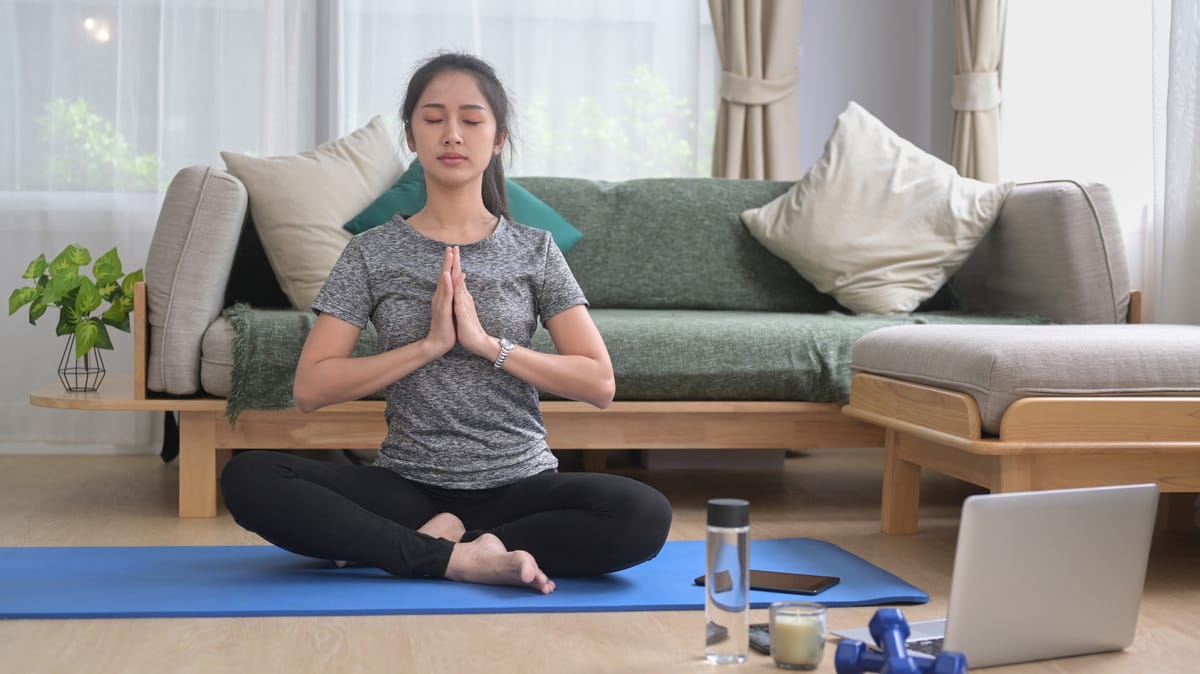
Yoga is an ancient practice with deep roots in mindfulness, physical health, and spiritual well-being. But over the years, yoga has evolved and, with its rise in popularity, has become a trend that’s often misunderstood. Thanks to social media and modern wellness influencers, we’ve seen a rise in “new-age yoga concepts” that, frankly, don't hold up to the real tradition of yoga.
In today’s post, we’re going to break down 3 new-age yoga concepts that are purely hype and don’t serve you as well as the traditional yoga principles that have been around for thousands of years. We’ll also share what you should be doing instead to get the full benefits of yoga.
1. “Yoga is All About Flexibility”
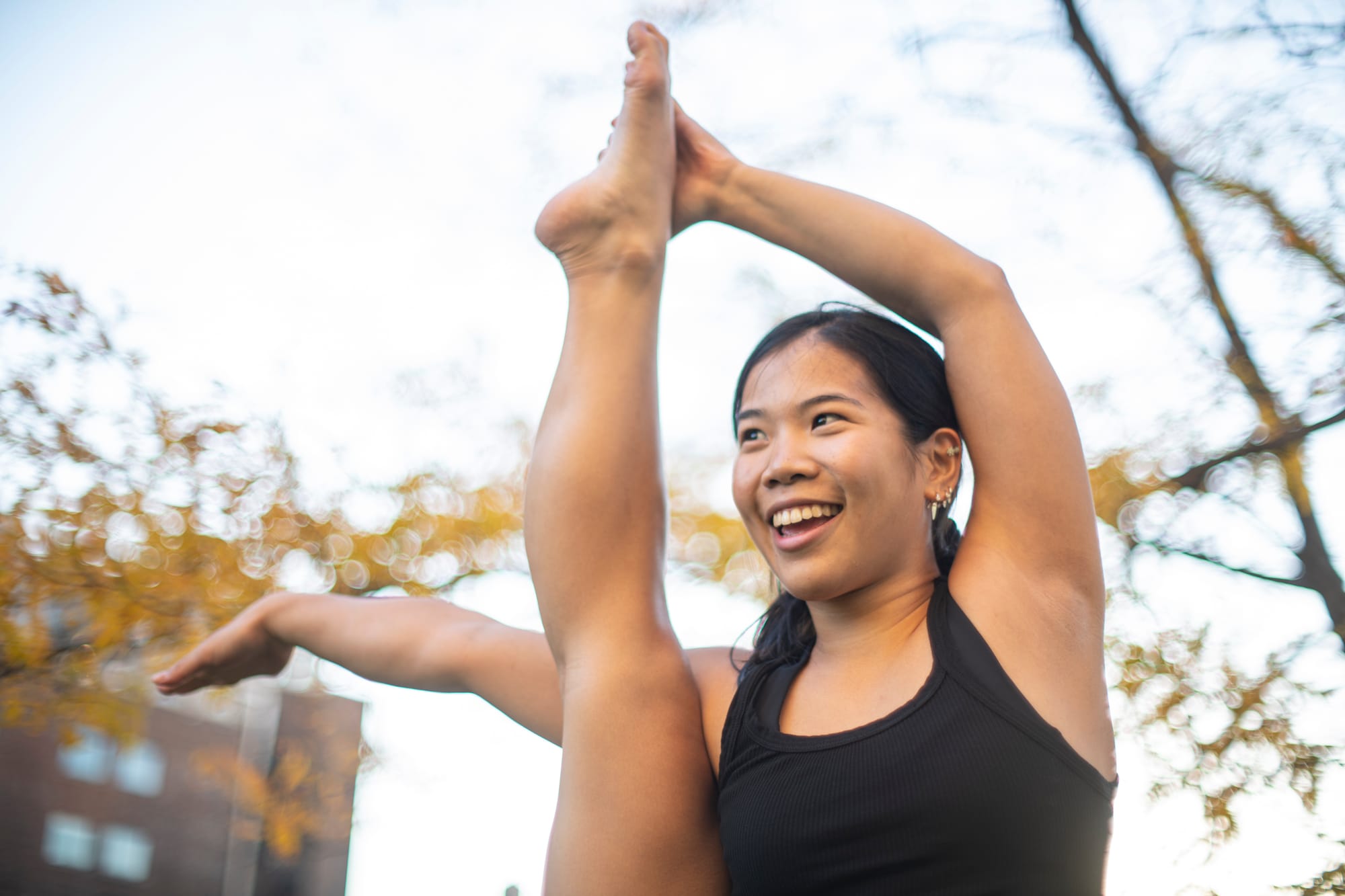
This might be one of the most common misconceptions in modern yoga. Social media feeds are filled with advanced practitioners showing off their incredible flexibility - splits, deep backbends, and headstands - making it seem like the goal of yoga is to become a contortionist. Spoiler alert: That’s not what yoga is all about.
The Reality:
Yoga is about mind-body connection, balance, and strength. Sure, flexibility plays a role, but it's not the end goal. In fact, for some people, forcing their body into extreme flexibility poses can cause muscle strain and injuries. Yoga should focus on mindful movement, building strength, and finding peace within your body - not pushing your body past its natural limits.
What You Should Be Doing Instead:
- Focus on strengthening your muscles. Yoga poses like Plank, Warrior II, and Chair Pose engage your core, legs, and upper body, helping to build strength.
- Modify poses to fit your body’s current range of motion. There’s no shame in using props like blocks or straps to help you feel supported and still receive the benefits.
- Practice mindfulness and focus on your breath as you move through the poses. This will give you more mobility and body awareness over time.
Exercises to Try:
- Plank Pose: Hold for 30 seconds to 1 minute to build core strength.
- Warrior II: Engage your legs and arms to strengthen your lower body.
- Chair Pose: Focus on your lower body and core for stability.
2. “The More Advanced, the Better”
Another trend we’ve seen is the obsession with advanced poses. You’ve likely seen yoga influencers performing advanced postures like crow pose or deep backbends and thinking that's the key to an “advanced” yoga practice. The truth is, yoga is not about perfecting difficult poses - it’s about aligning your body, mind, and breath.
The Reality:
Yoga isn’t a competition, and performing advanced poses doesn’t make you better or more “advanced” in your practice. Yoga is about listening to your body and progressing at your own pace. Pushing yourself too hard to do a difficult pose too soon can lead to injury.
What You Should Be Doing Instead:
- Focus on building foundational poses. Mastering simple, strong poses like Downward Dog, Mountain Pose, and Child’s Pose provides the foundation for more complex postures.
- Breath work (pranayama) should always take precedence. Focus on deep breathing to calm your nervous system and bring awareness to the present moment.
- Restorative yoga is just as important as the intense postures. Savasana and gentle stretches help release tension and bring balance to your practice.
Exercises to Try:
- Downward Dog: Focus on your alignment and stretching your hamstrings and back.
- Mountain Pose: Stand tall with proper posture, focusing on grounding your feet and aligning your spine.
- Savasana: Take a few minutes to lie flat on your back, focus on your breath, and let go of any tension.
3. “Yoga Can Heal Everything”
In the wellness world, you’ll often hear that yoga is a cure-all for just about anything - from anxiety and depression to chronic pain and illness. While yoga has been shown to improve mental health, flexibility, and even pain management, it is not a magical cure for everything. Yoga should be seen as part of a holistic approach to well-being, not a replacement for medical treatment.
The Reality:
Yoga can help alleviate stress, improve mental clarity, and reduce muscle tension, but it is not a substitute for professional medical advice. For conditions like chronic pain, mental health disorders, or serious physical injuries, you should always consult a healthcare professional.
What You Should Be Doing Instead:
- Use yoga as a complementary practice, not a replacement. Yoga can help reduce stress and improve your overall quality of life, but it should work in tandem with other healthy habits like eating well, staying active, and seeking professional medical care when necessary.
- Listen to your body: If you have a health condition, modify poses to avoid injury and consult with a doctor before starting any yoga practice.
- Incorporate mindfulness and meditation into your yoga routine to manage stress and emotional well-being.
Exercises to Try:
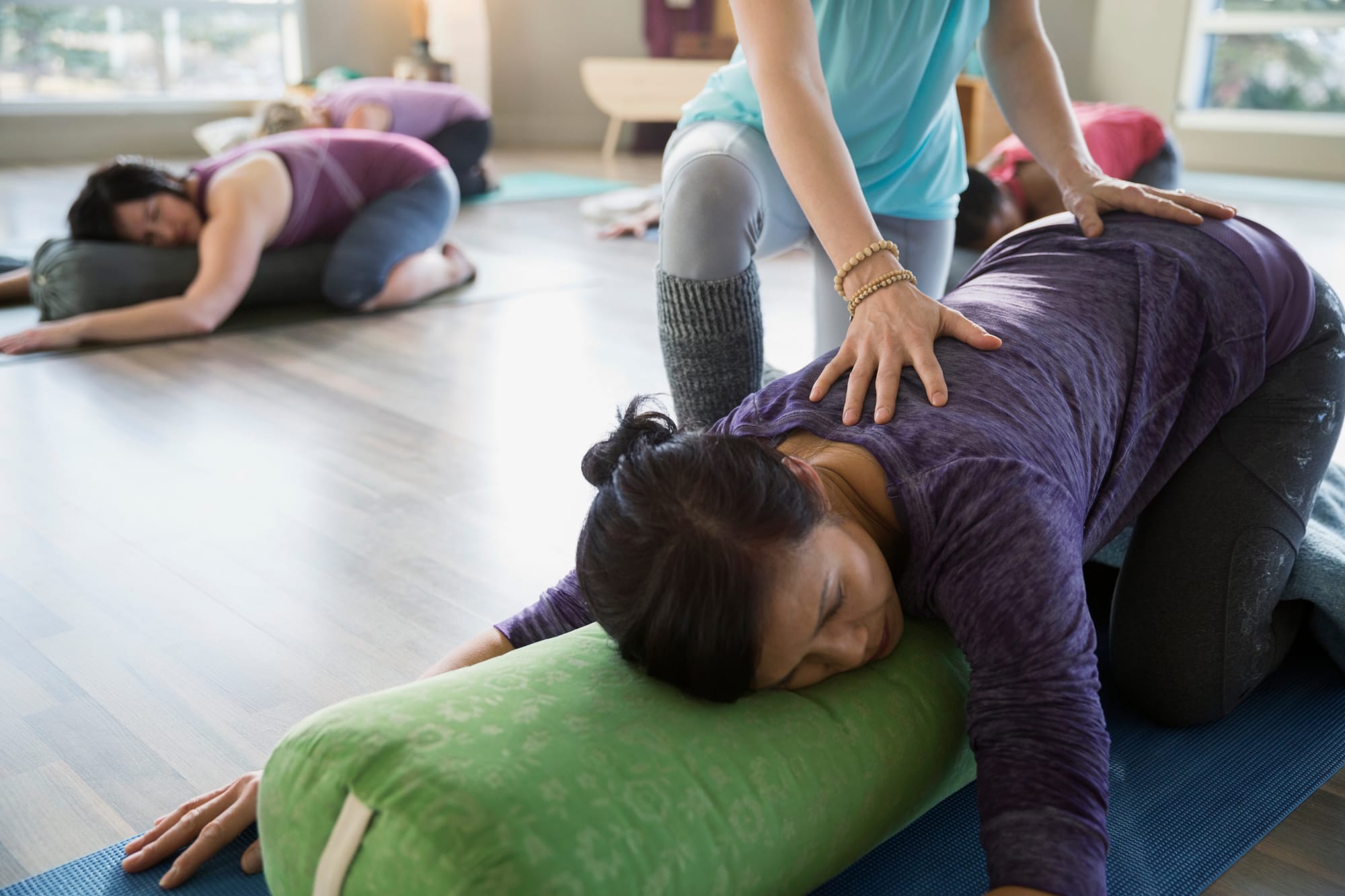
- Child’s Pose: Rest in this gentle pose for a few minutes to release tension in your back and hips.
- Seated Forward Fold: Focus on breathing deeply to calm your nervous system.
- Alternate Nostril Breathing: A simple pranayama technique to reduce stress and clear the mind.
Final Thoughts: Let’s Get Back to the Roots of Yoga
Yoga is so much more than trendy poses or a competition to do the most advanced stretches. It’s about building a mind-body connection, cultivating strength, balance, and flexibility, and most importantly, finding peace within yourself.
So, let’s break free from the new-age nonsense and get back to what yoga is all about - mindful movement, breath, and a genuine connection to your body.
It’s not about doing difficult poses or “healing everything.” It’s about progress, not perfection. Take it slow, listen to your body, and enjoy the process of growth.
Want more real yoga tips and exercises? Subscribe to our newsletter for expert advice delivered straight to your inbox!