The Secret to Eating Healthy Without Giving Up Your Favorite Foods (It’s Easier Than You Think!)

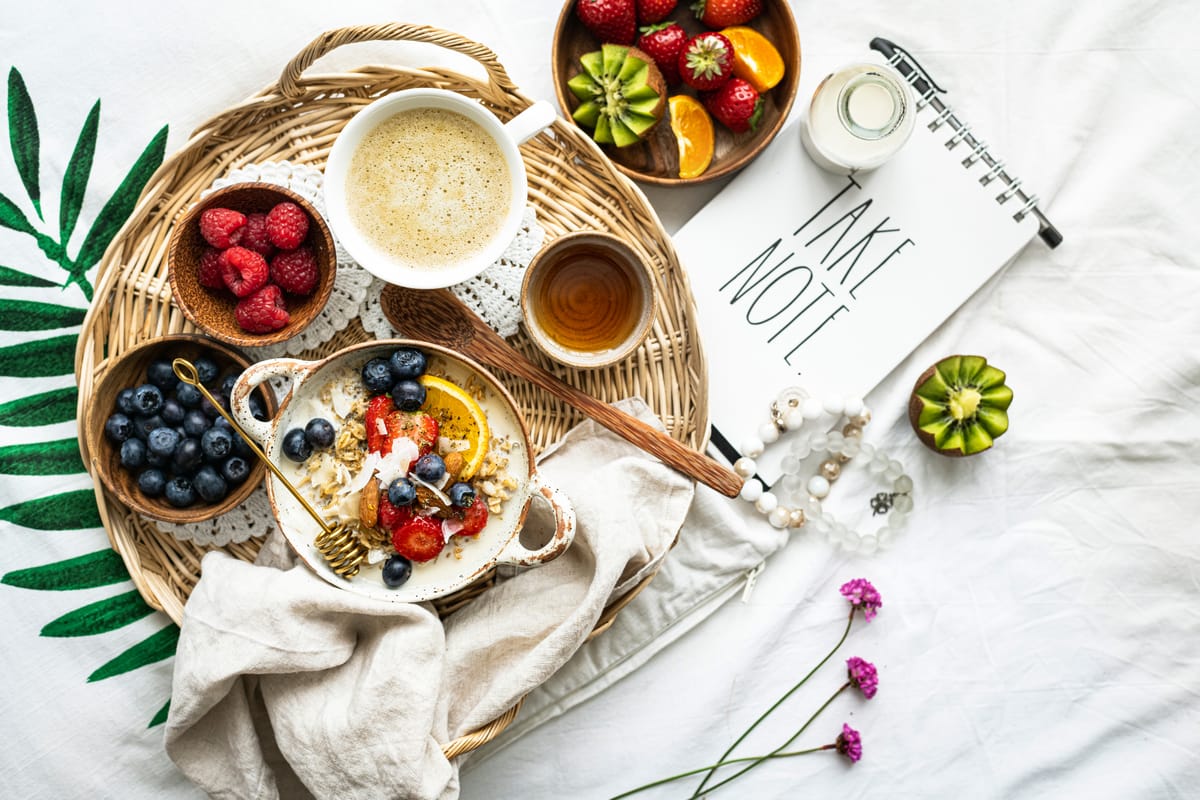
Eating healthy doesn't have to mean giving up the foods you love. In fact, making small, sustainable changes to your eating habits can help you achieve a healthier lifestyle without feeling deprived. The key is knowing how to balance nutrition and enjoyment.
So, what’s the secret to eating healthy while still enjoying the flavors you crave? It’s all about mindful substitutions, portion control, and understanding that healthy eating is a long-term journey, not a short-term restriction.
In this post, we’re going to dive into how you can make easy, nutritious swaps and strategies to eat better without feeling like you’re on a strict diet. You can have your cake and eat it too - literally!
Why Healthy Eating Doesn’t Have to Be Boring
Healthy eating has earned a bad reputation for being bland, tasteless, or overly restrictive. But that’s a myth! Eating healthy is about making informed choices, not about giving up all the delicious foods you enjoy. The key to a healthier lifestyle is moderation and balance.
By making small changes - like swapping out refined grains for whole grains, adding more colorful fruits and vegetables to your meals, and choosing healthier cooking methods - you can build a diet that nourishes your body and still satisfies your taste buds.
1. Mindful Substitutions: Simple Swaps for a Healthier Diet
You don’t have to cut out your favorite foods completely. Instead, try swapping certain ingredients for healthier options. These swaps are simple to make and can help you pack more nutrition into your meals without sacrificing taste.
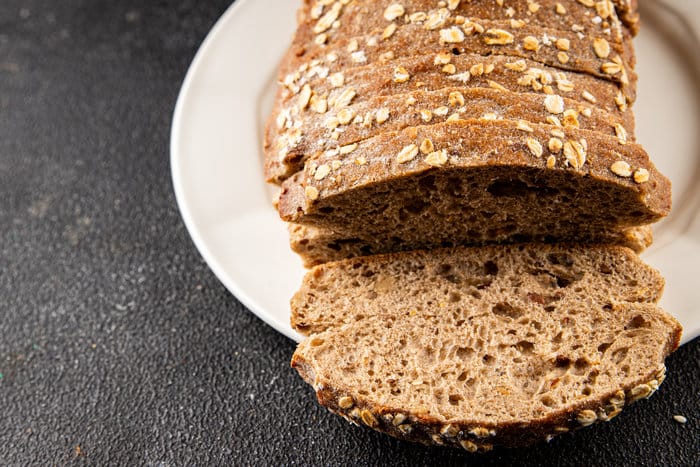
Swap White Bread for Whole Grain Bread
White bread is often processed and lacks essential nutrients. Whole grain bread, on the other hand, is full of fiber and nutrients that are good for digestion and heart health.
Why it works: Whole grains are linked to improved digestion and better overall health. They keep you fuller longer and stabilize blood sugar levels.
Swap Sugary Snacks for Fruit
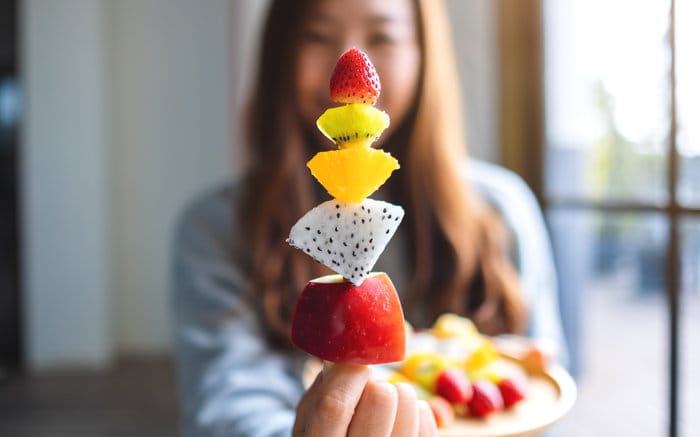
Craving something sweet? Instead of reaching for a sugary candy bar, try satisfying your sweet tooth with fresh fruit. Fruits like berries, apples, or bananas are naturally sweet and come packed with fiber, vitamins, and antioxidants.
Why it works: Unlike processed sugary snacks, fruit is nutrient-dense and can help you maintain your energy levels without the sugar crash. Plus, it's full of antioxidants that fight inflammation and support overall health.
Swap Soda for Sparkling Water with Lemon
Soda is packed with sugar and offers very little in terms of nutritional value. Sparkling water with a slice of lemon, however, provides that fizzy satisfaction without the empty calories and sugar overload.
Why it works: Hydration is key for optimal health, and sparkling water with lemon can help you stay hydrated while also boosting your vitamin C intake.

2. Portion Control: How to Eat More Without Overeating
One of the biggest challenges when trying to eat healthy is portion control. You can eat nutritious foods, but if you’re consuming large portions, it can still lead to unwanted weight gain. Here’s the trick: focus on eating smaller portions of high-quality, nutrient-dense foods.
The Plate Method: Fill Half of Your Plate with Vegetables
A simple, practical method for controlling portion sizes is to use the plate method. Fill half of your plate with vegetables, a quarter with lean protein, and a quarter with whole grains or healthy fats.
Why it works: This method automatically helps you get more fiber and micronutrients (like vitamins and minerals) while controlling calorie intake. Plus, it encourages a well-rounded, balanced meal.
3. Cooking Methods That Keep Your Food Tasty and Healthy
The way you cook your food can make a big difference in how healthy your meal is. Fried foods and heavy sauces are often loaded with unhealthy fats and calories, while lighter cooking methods preserve the nutrients in your food.
Try Grilling, Baking, or Steaming
Instead of frying foods, try grilling, baking, or steaming them. These cooking methods help retain the nutrients in vegetables and lean proteins without adding unnecessary fats or calories.
Why it works: Grilling or baking food can enhance its natural flavor, and steaming helps retain the vitamins and minerals that are often lost during other cooking methods. These methods are also lower in calories and fat.
4. The Importance of Eating More Colors
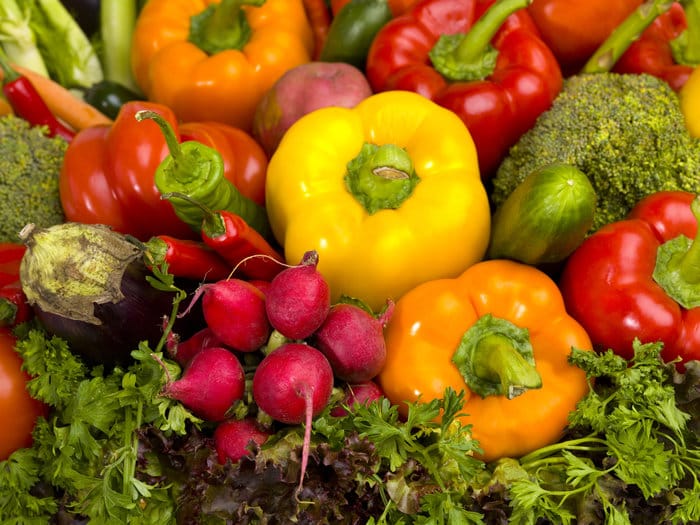
One simple way to make your meals more nutritious is by adding more color. A variety of colorful fruits and vegetables means more antioxidants, vitamins, and minerals for your body.
Eat the Rainbow
Try to fill your plate with a variety of red, green, orange, purple, and yellow vegetables and fruits. This diversity in color equals a broader spectrum of nutrients.
Why it works: Each color provides different nutrients. For example, orange foods like carrots are rich in beta-carotene, while leafy greens like spinach are full of iron and calcium. Eating a variety ensures you’re getting a wide range of nutrients to fuel your body.
Conclusion: Healthy Eating Doesn’t Have to Be Hard
Eating healthy is all about making smarter choices, not drastic changes. By incorporating simple swaps, practicing portion control, and focusing on healthier cooking methods, you can enjoy your favorite foods while nourishing your body.
Healthy eating isn’t about restriction - it’s about making small, sustainable changes that add up to a healthier lifestyle over time.
Ready to start eating healthier today? Begin with one of the easy swaps above and watch how small changes can make a big difference!
📩 Want More Healthy Eating Tips?
Get more healthy eating tips, recipes, and nutrition advice straight to your inbox.
No gimmicks, just simple, practical ideas to help you feel better every day.