Yoga Instructors Don’t Tell Beginners About This… But They Should!

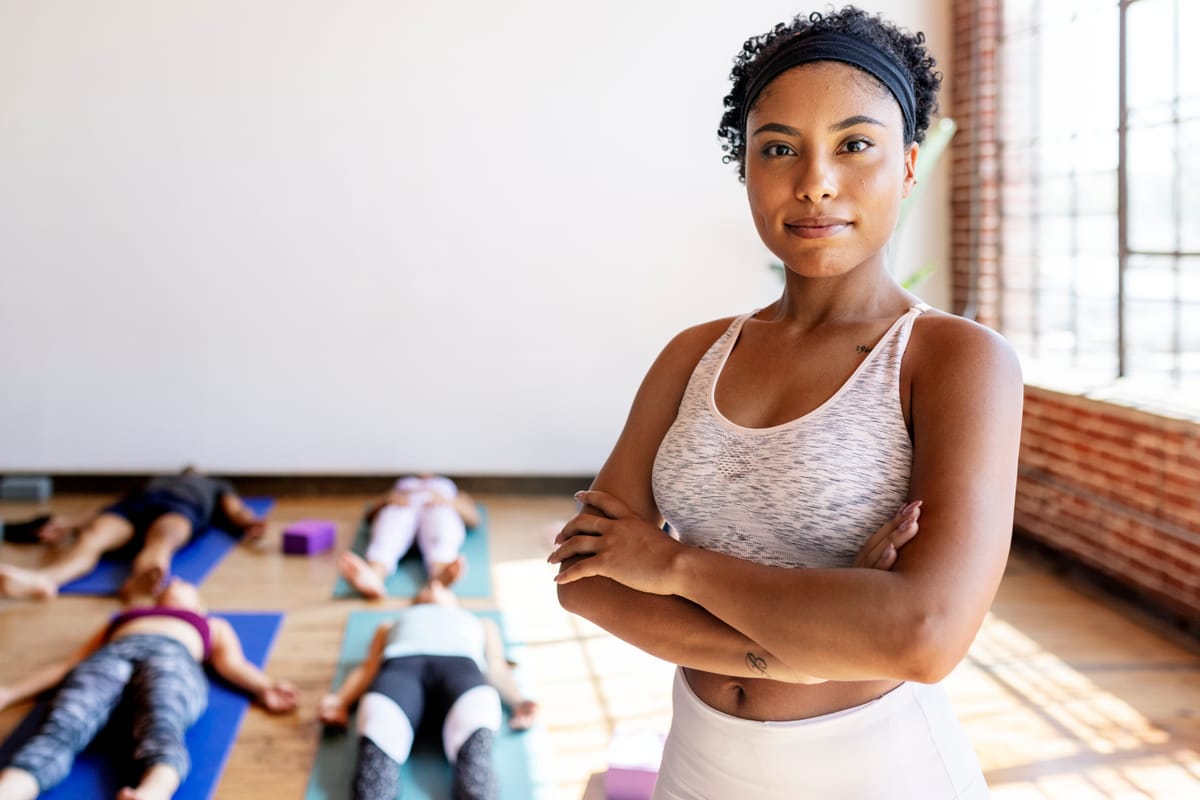
Yoga is an amazing practice that offers a multitude of benefits - from increasing flexibility and strength to reducing stress and promoting mindfulness. If you’re just starting your yoga journey, you’ve probably been excited to dive into classes, follow along with the poses, and experience that sense of peace that comes with it.
But here’s something yoga instructors don’t often tell beginners, but they should: Yoga isn’t just about perfecting poses - it’s about learning how to listen to your body, understand its limits, and move in a way that feels good to you.
In this post, we’re going to break down why listening to your body is crucial for beginners and how it can completely transform your yoga practice. Let's dive in!
Yoga is About Awareness, Not Perfection
Many beginners come into yoga expecting that they’ll need to master each pose perfectly. They might feel the pressure to look a certain way or hold a challenging pose for long periods of time - all in the name of progress.
But here's the thing: Yoga isn’t a race. The journey isn’t about achieving the perfect pose, it’s about being aware of your body’s sensations and respecting its boundaries. If something doesn’t feel right, stop or modify the pose.
The yoga practice you see in classes, on videos, or in magazines often features advanced practitioners who have spent years working on their form. For a beginner, it’s important to understand that no one starts as a perfect yogi, and that’s okay. Yoga is about exploring, not forcing.
The Importance of Listening to Your Body
Your body is your best teacher. If a pose feels uncomfortable, it’s your body’s way of telling you to either back off or modify the pose. You might hear the phrase, "Never push through pain" in yoga classes, and for good reason: pain is a signal that something is wrong.
Sometimes, new practitioners feel they need to push themselves into deeper stretches or more advanced poses because they see others doing it. But ignoring your body’s signals can lead to muscle strain, joint injuries, and burnout.
Here’s what you should remember:
- Listen to your breath: In yoga, your breath is a guide. If you can’t breathe deeply and steadily in a pose, it means you may need to ease out of it.
- Feel the stretch, don’t force it: A good yoga stretch should feel challenging, but not painful. It should stretch your muscles in a way that feels comfortable.
- Respect your range of motion: Every body is different, and no one can (or should) achieve a pose the same way. Your body has its own natural range of motion - and it’s important to stay within it as you build strength and flexibility.
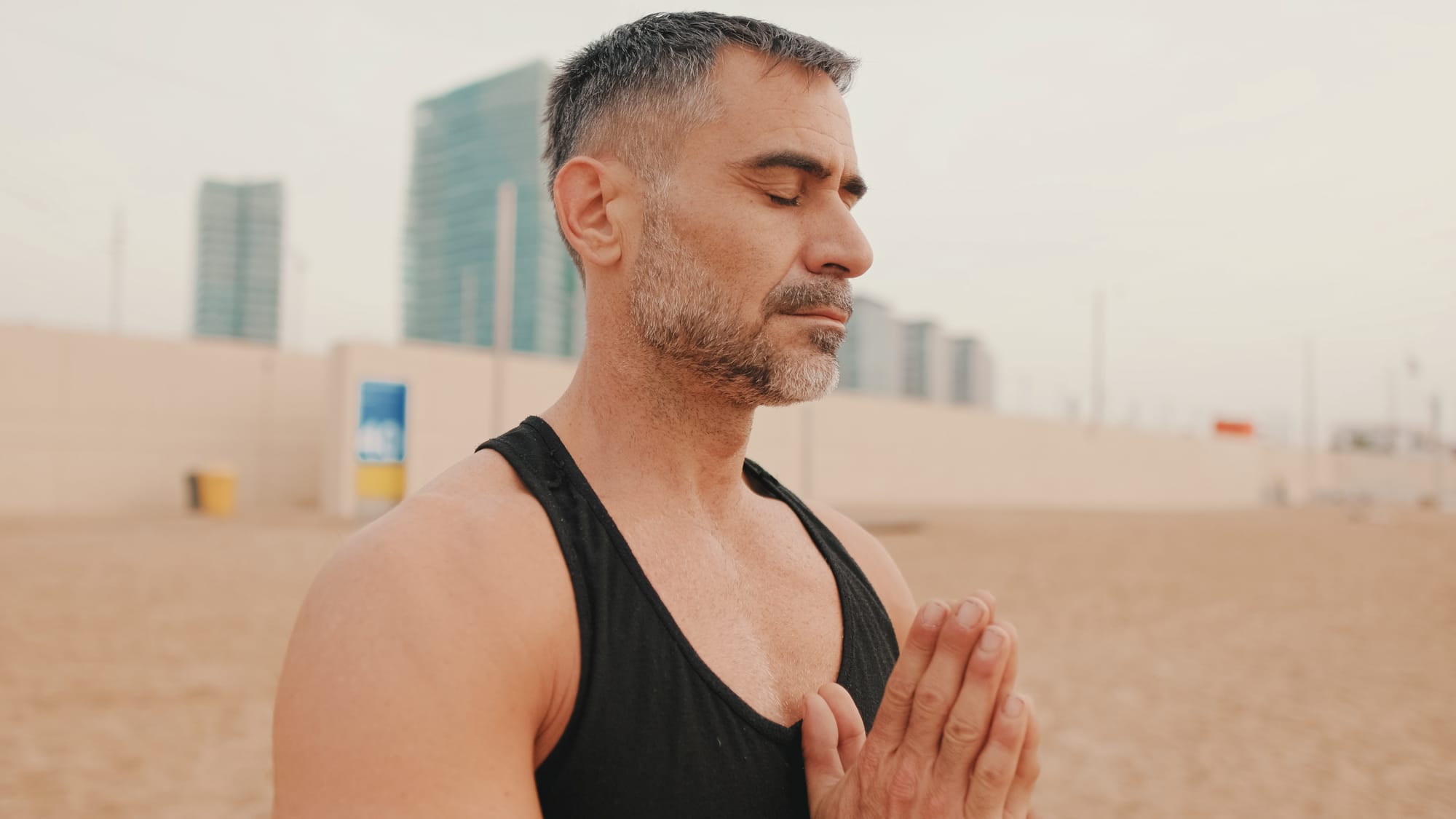
Modifications Are Key
Beginners often don’t realize that modifying poses is not a sign of weakness, but rather a smart and safe way to build strength and flexibility over time. Pushing your body too hard can cause injury and hinder your progress in the long run.
Here are some modifications to try if a pose feels too difficult:
- Use props: Yoga blocks, straps, and blankets can help make poses more accessible, allowing you to find proper alignment and avoid overstraining yourself.
- Shorten the range of motion: Instead of trying to force yourself into a deep stretch, focus on working within a smaller range of motion that feels comfortable for your body.
- Take breaks when needed: It’s okay to rest in Child's Pose or Savasana during the class. Yoga is about finding balance, not pushing through the entire session without breaks.
Focus on Alignment Over Depth
Yoga instructors often emphasize alignment, but beginners may overlook it in favor of trying to get deeper into a pose. Proper alignment is key to building strength and avoiding injury.
For example, in poses like Downward-Facing Dog, it’s more important to focus on keeping your hands grounded, your hips lifted, and your spine straight than to try to push your heels all the way to the floor. When alignment is right, the depth of the pose will naturally improve over time.
The Mind-Body Connection
Yoga isn’t just a physical practice - it’s also a mental one. Yoga offers a unique opportunity to check in with your mind and emotions. As you practice mindfulness and connect with your breath, you may notice emotional releases and mental clarity.
However, beginners often overlook the importance of this mental component. They focus on the poses themselves and forget about the breathing techniques and mindfulness that help you deepen your practice.
Focusing on your breath allows you to stay present in the moment, reducing stress and enhancing your connection with your body. If you start to feel anxious or distracted during a session, simply focus on your breath. Inhale deeply and exhale slowly - it will bring you back to center.
What Yoga Instructors Should Be Saying to Beginners
Yoga instructors often focus on the physical aspects of the practice, which is important, but there’s a need for more emphasis on body awareness and the mental side of yoga as well. Here’s what yoga instructors should be saying to beginners:
- “Take your time. Yoga is not about perfection; it’s about awareness.”
- “If a pose doesn’t feel good, it’s okay to modify or skip it.”
- “Your breath is your guide. If you can’t breathe deeply, back off.”
- “Don’t compare your practice to others. Yoga is about you, not anyone else.”
- “This is your practice. It’s okay to go at your own pace.”
By focusing on these aspects, beginners will feel more confident, relaxed, and empowered on their yoga journey.
Final Thoughts
Yoga is a personal practice that invites you to be mindful of your body and mind. It’s about progress, not perfection, and honoring where you are in your journey.
So, next time you step onto the mat, remember that listening to your body is the most important thing you can do. Embrace the practice without judgment, modify poses as needed, and always respect your body’s boundaries.
Yoga is a beautiful and lifelong practice that will benefit you both physically and mentally, so don’t rush it. Take your time, and enjoy the journey - your body will thank you for it!