What to Eat Before and After a Home Workout
A simple, science-backed guide to pre- and post-workout eating for busy people who want more energy, better recovery, and real results at home.


If you have ever wondered whether you need a banana before a workout, a protein shake after it, or both, the honest answer is: it depends on the workout, the timing, and your overall diet. The good news is that for most home workouts, sports nutrition does not need to be complicated. Carbohydrates help fuel exercise, protein helps support muscle repair, and hydration matters before, during, and after movement.
For most people, the goal is not to eat “perfectly” around exercise. The goal is to make smart, simple choices that help you feel good, train well, and recover without overthinking every meal.
The short answer
Before a home workout, focus on easy-to-digest carbohydrates if you want energy, especially if your workout will last more than an hour or feel fairly intense. A little protein can help too, but very heavy, high-fat meals right before training can feel uncomfortable for many people.
After a workout, think about protein first, then add carbohydrates based on how long and hard you trained. If you did a short, light session, you probably do not need anything fancy. A normal balanced meal is usually enough. If you trained longer or harder, a snack or meal with both carbs and protein can support recovery.
What to eat before a home workout
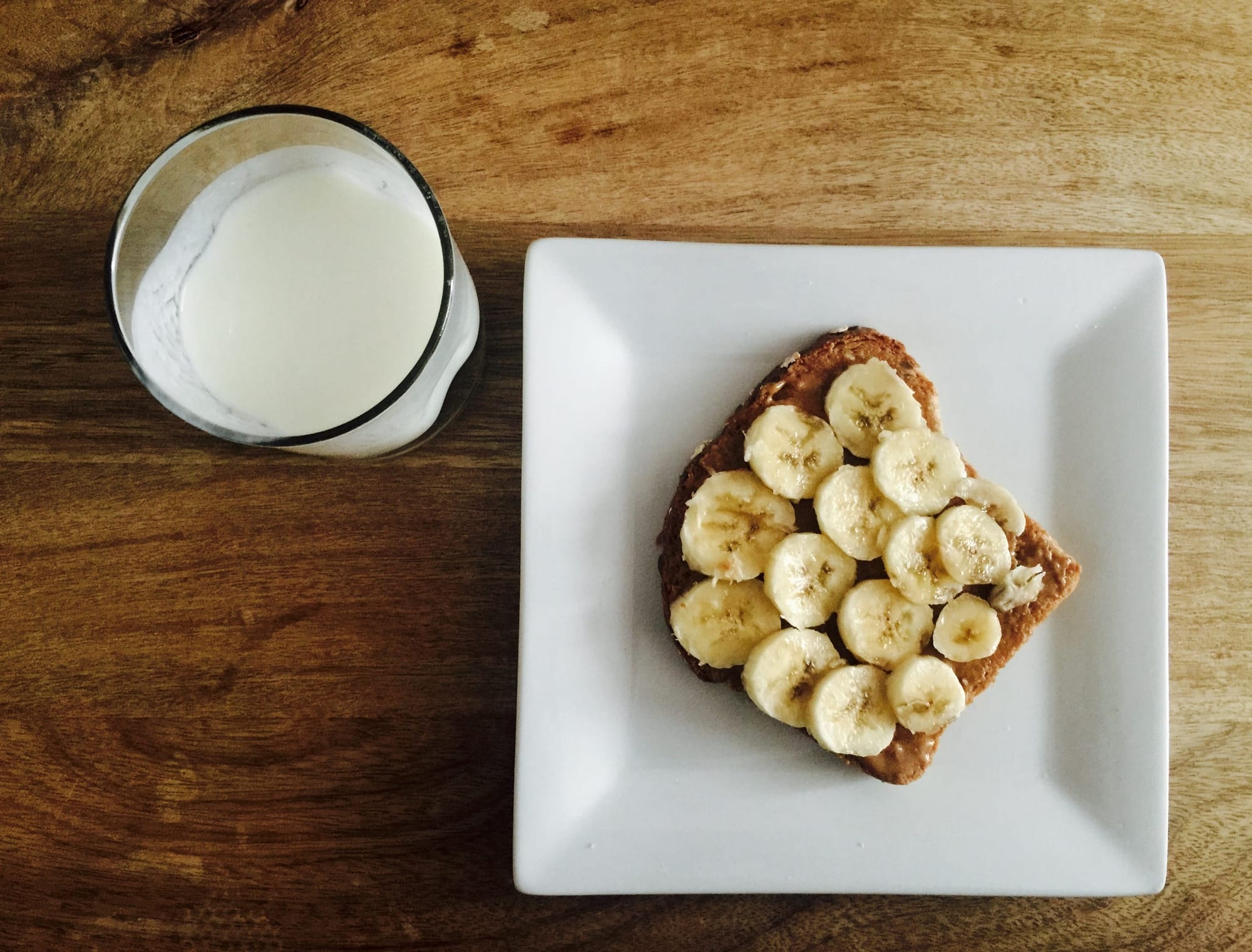
The best pre-workout meal is one that gives you energy without sitting heavily in your stomach. For longer or more demanding exercise, sports nutrition guidance commonly recommends carbohydrate-rich food in the hours before training. Practical options include toast with jam, oatmeal with fruit, yogurt with granola, rice with eggs, or a banana with peanut butter if that sits well for you.
A good rule is to match the size of the meal to the time you have:
If you have 2 to 3 hours before your workout:
Eat a normal meal with carbs, some protein, and not too much fat.
Examples:
- oatmeal with Greek yogurt and berries
- rice with chicken or tofu and vegetables
- toast with eggs and fruit
If you have 30 to 60 minutes before your workout:
Choose something smaller and easier to digest.
Examples:
- a banana
- yogurt
- toast with honey
- applesauce
- a small smoothie
This approach fits sports nutrition guidance that larger carbohydrate-rich meals work better when eaten earlier, while smaller snacks make more sense closer to exercise. Lower-fat and lower-fiber choices may also be more comfortable right before a workout.
Do you need to eat before every workout?
Not always.
If you are doing a short, easy home workout, especially under about 60 minutes, you may feel completely fine with just water beforehand, especially if you ate a normal meal a few hours earlier. MedlinePlus notes that for workouts lasting less than 60 minutes, water is often all that is needed.
But if you tend to feel weak, lightheaded, unusually hungry, or low on energy when you train, eating something small before you start is a smart move. The best plan is the one that helps you feel steady and consistent.
What to eat after a home workout
After exercise, your body is ready for recovery. Protein supports muscle repair and adaptation, while carbohydrates help replace some of the energy you used during training, especially after longer or harder sessions.
You do not need to panic about a tiny “anabolic window,” but getting a solid meal or snack in within the next couple of hours is a practical approach. For heavily demanding workouts, MedlinePlus specifically notes that people training for more than 90 minutes should eat or drink more carbohydrates, possibly with protein, within about two hours afterward. ISSN’s position stand also emphasizes that regular protein intake across the day matters, with about 20 to 40 grams of high-quality protein per meal or snack being a useful target for many active adults.
Simple post-workout ideas:
- Greek yogurt with fruit and granola
- eggs on toast
- a turkey or tofu sandwich
- cottage cheese with fruit
- chicken, rice, and vegetables
- a protein smoothie with milk and banana
For most readers of a home fitness newsletter, the important message is this: a balanced meal works. You do not need expensive recovery products to recover well from a normal home workout.

Protein: helpful, but not magic
Protein matters, but more is not always better. MedlinePlus notes that high-protein diets do not build muscle on their own; training does. ISSN’s position stand adds that what matters most is getting enough total protein across the day, with quality protein spaced regularly through meals and snacks.
That means you do not need a protein shake after every single workout. If a shake is convenient, fine. But eggs, yogurt, milk, tofu, beans, fish, chicken, and cottage cheese all work too. Whole foods are often the simplest answer.
What about carbs after exercise?
Carbs matter most after workouts that are long, intense, or repeated often. If you did a tough strength session, a long cardio workout, or you plan to train again later the same day, pairing carbs with protein makes a lot of sense. If you just finished a short 20- to 30-minute home workout, your usual next meal is probably enough.
Easy post-workout carb options include:
- fruit
- oats
- rice
- potatoes
- toast
- granola
- beans
- pasta
The goal is not to “earn” carbs. The goal is to use food to support energy, recovery, and consistency.
Do not forget hydration
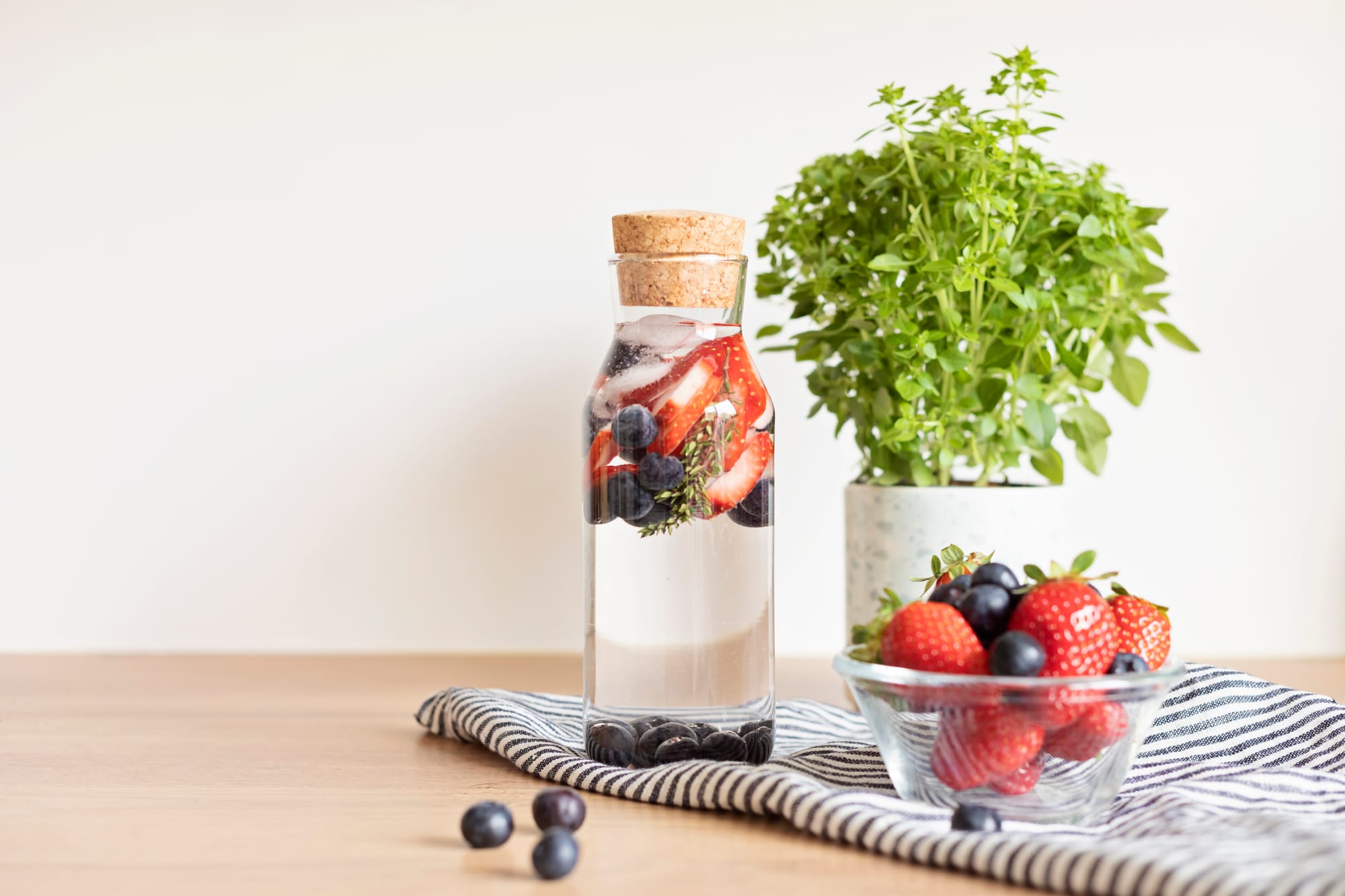
Hydration is the most overlooked part of workout nutrition. Water matters before, during, and after exercise. MedlinePlus recommends starting your workout well hydrated, sipping fluids during and after exercise, and notes that water is usually the best choice for the first hour.
For most home workouts, water is enough. Sports drinks become more useful when exercise is long, very sweaty, or intense enough to involve bigger fluid and electrolyte losses.
The simplest way to think about it
If your workout is short and moderate:
- water is usually enough
- eat normally the rest of the day
- a regular balanced meal afterward works well
If your workout is longer or harder:
- eat some carbs before
- have protein afterward
- add carbs after training too
- pay more attention to hydration
That is the basic formula most people need.
Final thought
The best pre- and post-workout nutrition plan is not the most extreme one. It is the one you can actually follow.
You do not need a shelf full of supplements.
You do not need to obsess over timing.
And you do not need to make every workout meal “perfect.”
For most healthy adults doing home workouts, simple wins: eat enough, include carbs when you need energy, include protein to support recovery, and stay hydrated. Done consistently, that is more powerful than any trendy shortcut.
Enjoyed this post? Subscribe to Home Workout Nation for simple home workouts, realistic fitness tips, and practical advice that fits real life.
Sources
- MedlinePlus Medical Encyclopedia — Nutrition and athletic performance
- Position of the Academy of Nutrition and Dietetics, Dietitians of Canada, and the American College of Sports Medicine — Nutrition and Athletic Performance
- International Society of Sports Nutrition Position Stand — Nutrient Timing
- International Society of Sports Nutrition Position Stand — Protein and Exercise
- American College of Sports Medicine — Exercise and Fluid Replacement