I Went From Zero Motivation to Daily Workouts - Here’s What Changed Everything


The Anatomy of Inertia
The couch had a gravitational pull. It was a familiar, sinking feeling- a physical manifestation of the mental fog that had settled in for weeks. My workout clothes were clean, folded, and completely untouched in a drawer, a silent monument to good intentions. The thought of a single push-up felt as monumental as climbing a mountain, each mental repetition of 'I should work out' only adding another layer of resistance. This wasn't laziness in the traditional sense; it was a state of profound inertia, where the energy required to initiate movement felt impossibly high. The cycle was vicious- the less I moved, the less I wanted to move, and the more the guilt compounded, making the initial step even more daunting.
This experience is a classic example of what psychologists refer to as overcoming activation energy. In chemistry, activation energy is the minimum amount of energy needed to start a reaction. For human behavior, it's the initial effort required to overcome procrastination and begin a task. When motivation is low, this perceived energy cost is enormous. The mistake I was making, and one that traps countless others, was waiting for a magical surge of inspiration to strike. I was waiting for the desire to work out to somehow become greater than the comfort of doing nothing, a battle that comfort almost always wins without a change in strategy.



The Motivation Myth: Action as the Cause, Not the Effect
The single most profound shift in my journey was abandoning the idea that motivation precedes action. I had the sequence completely backward. We are culturally conditioned to believe we must 'feel like it' before we begin, but this is a deeply flawed premise when it comes to building consistent habits. True, sustainable motivation isn't a lightning strike; it is the small, quiet reward the brain receives after completing a task. It's the byproduct of movement, the gentle hum of accomplishment that makes the next session just a little bit easier to start. Waiting for motivation to appear is like standing in a cold room and waiting to feel warm before lighting a fire- the action itself is what generates the heat.
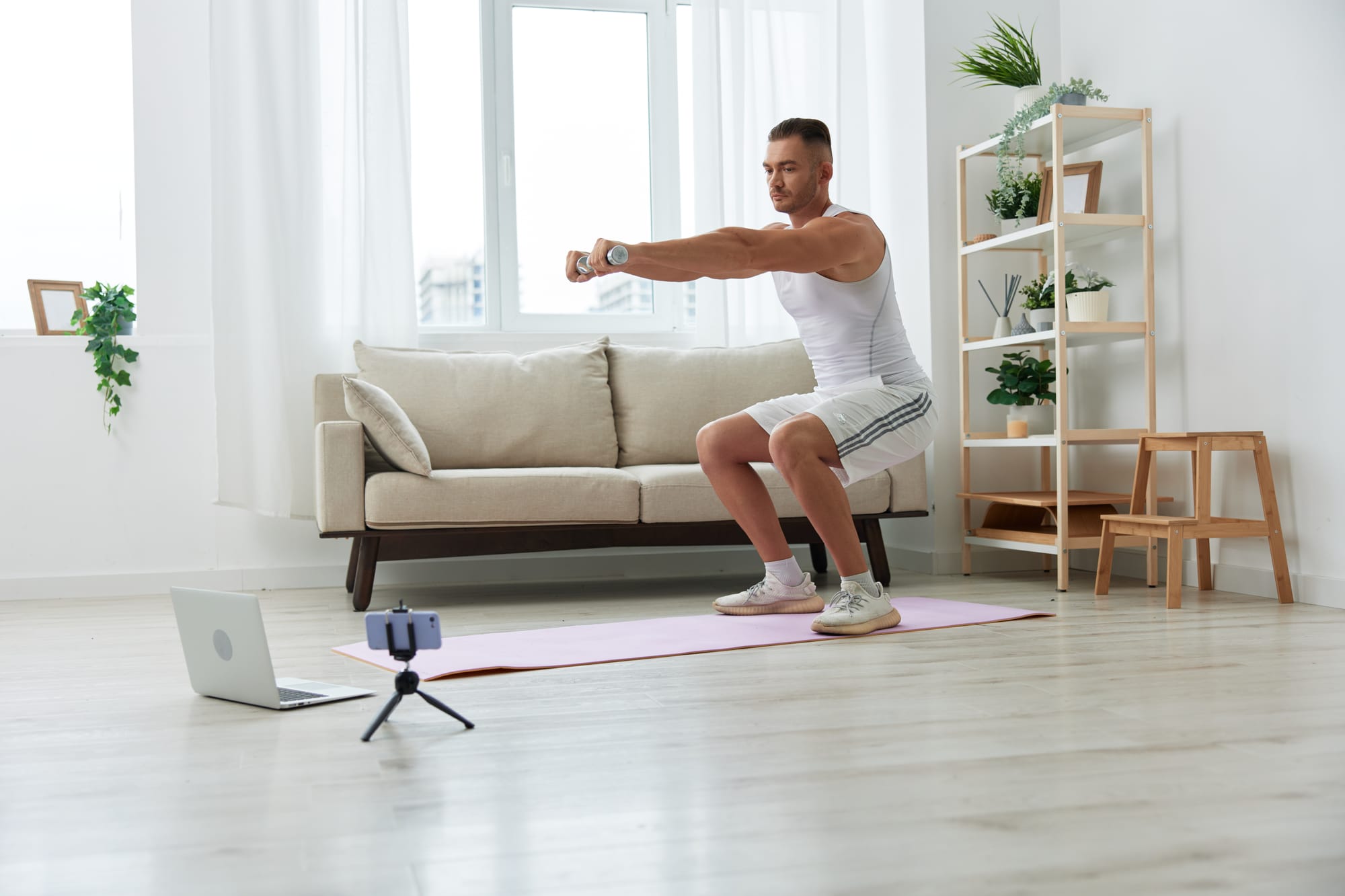
Instead of trying to psych myself up for a full 30-minute workout, I made a new deal with myself. The goal was no longer the workout itself, but an action so laughably simple it was nearly impossible to refuse: I just had to put on my workout clothes. That was it. That was the entire 'win' for the day. By radically lowering the barrier to entry, I short-circuited the debate in my head. Some days, I would just put on the clothes and take them off a few minutes later. But more often than not, once I was dressed for the part, doing a few squats or a short walk felt like a natural next step. I had already overcome the activation energy, and the rest followed with surprisingly little resistance.

Building an Identity Through Repetition
This tiny, repeated action began a subtle but powerful transformation in my self-perception. Each time I put on those clothes, I cast a vote for a new identity. I was no longer just 'someone who should work out.' I was becoming 'the kind of person who puts on their workout clothes every day.' This shift from a goal-oriented mindset to an identity-based one is fundamental. When your actions align with your desired identity, they no longer feel like a chore; they feel like an affirmation of who you are. The internal friction dissolves because you are simply acting in accordance with your own self-image, making consistency feel authentic rather than forced.
Designing an Environment for Success
The final piece of the puzzle was to stop relying on willpower, which is a finite and unreliable resource, and start manipulating my environment. I began to think like an architect, designing my physical space to make good decisions easier and bad decisions harder. My workout shoes were moved from the closet to a spot directly beside my bed, making them the first thing I saw in the morning. I placed my yoga mat in a corner of the living room, permanently unrolled and visible. These weren't just reminders; they were environmental cues that reduced the number of steps- and thus the friction- between my current state and the desired action. By making the path to the workout the path of least resistance, I made the behavior nearly inevitable.
The change happened not with a bang, but through the quiet accumulation of these small, deliberate shifts in process and perspective.
It Starts Smaller Than You Think
The biggest change didn’t come from a perfect workout plan, a burst of motivation, or some life-changing moment.
It came from something much simpler.
I stopped waiting… and I started small.
That’s it.
No pressure. No expectations. No “I have to do everything perfectly.”
Just one tiny action, repeated daily.
And over time, that small action became a habit.
That habit became consistency.
And that consistency quietly changed everything.
If you’re stuck right now - unmotivated, overwhelmed, or just tired of starting and stopping - remember this:
You don’t need motivation to begin.
You don’t need a perfect plan.
You just need one small step today.
Put on your workout clothes.
Do 5 squats.
Go for a 2-minute walk.
That’s enough.
Because once you start, even in the smallest way…
you’ve already won.
Want to Stay Consistent (Without Pressure)?
If this resonated with you, you’re exactly who this newsletter is for.
I share simple workouts, real motivation, and practical tips that actually help you stay consistent - even on low-energy days.
No pressure. No complicated plans. Just things that work.
Subscribe and start building your routine - one small step at a time.