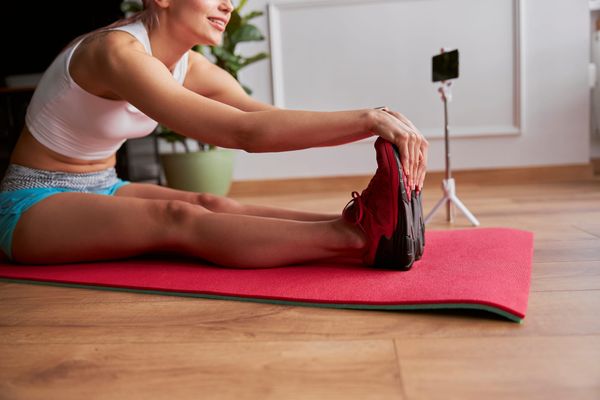
The Functional Workout for Total Real-World Strength


Let’s clear up a big misconception in the fitness world: strength isn’t just about muscles you can see in the mirror. The fitness industry has sold us the idea that strength is all about aesthetics - looking big and bulky. But true strength isn’t about size. It’s about how well your body functions in the real world. Can you carry your groceries in one trip? Lift heavy objects without hesitation? Get up off the floor without needing help?
This is the type of strength you should be training for.
Functional strength is about building a body that can handle whatever life throws at it. It's about preparing for real-life challenges, not just hitting personal bests in the gym. And that’s exactly what we’re focusing on today: functional strength that makes your daily tasks easier and helps you avoid injuries.
What Is Functional Strength?
Functional strength is all about movement patterns. The human body is built to move in specific ways: we push, pull, squat, hinge, and carry. These are the core movements that keep us strong and capable in everyday life.
When you train these movements, you're building strength that directly translates into better performance in your daily activities - whether it's picking up your kids, lifting a heavy box, or even standing up after sitting for hours. The goal isn't just to be "gym strong" - it’s to be "life strong."

The Functional Strength Circuit: No Equipment, No Excuses
This workout is designed to build real-world strength, and you don’t need any fancy equipment or a gym membership to get started. All you need is your own body, some floor space, and a little time. Plus, it’s focused on quality over speed, so take your time to really focus on your form.
Here’s your go-to functional workout:
1. The Bodyweight Squat (15 reps)
The bodyweight squat is the king of lower-body movements. This exercise teaches you how to properly sit, stand, and lift.
How to Do It:
- Stand with your feet shoulder-width apart, chest up, and core engaged.
- Push your hips back as if you're sitting in a chair.
- Lower your body until your thighs are parallel to the floor, keeping your back straight.
- Press through your heels to return to the starting position, squeezing your glutes at the top.
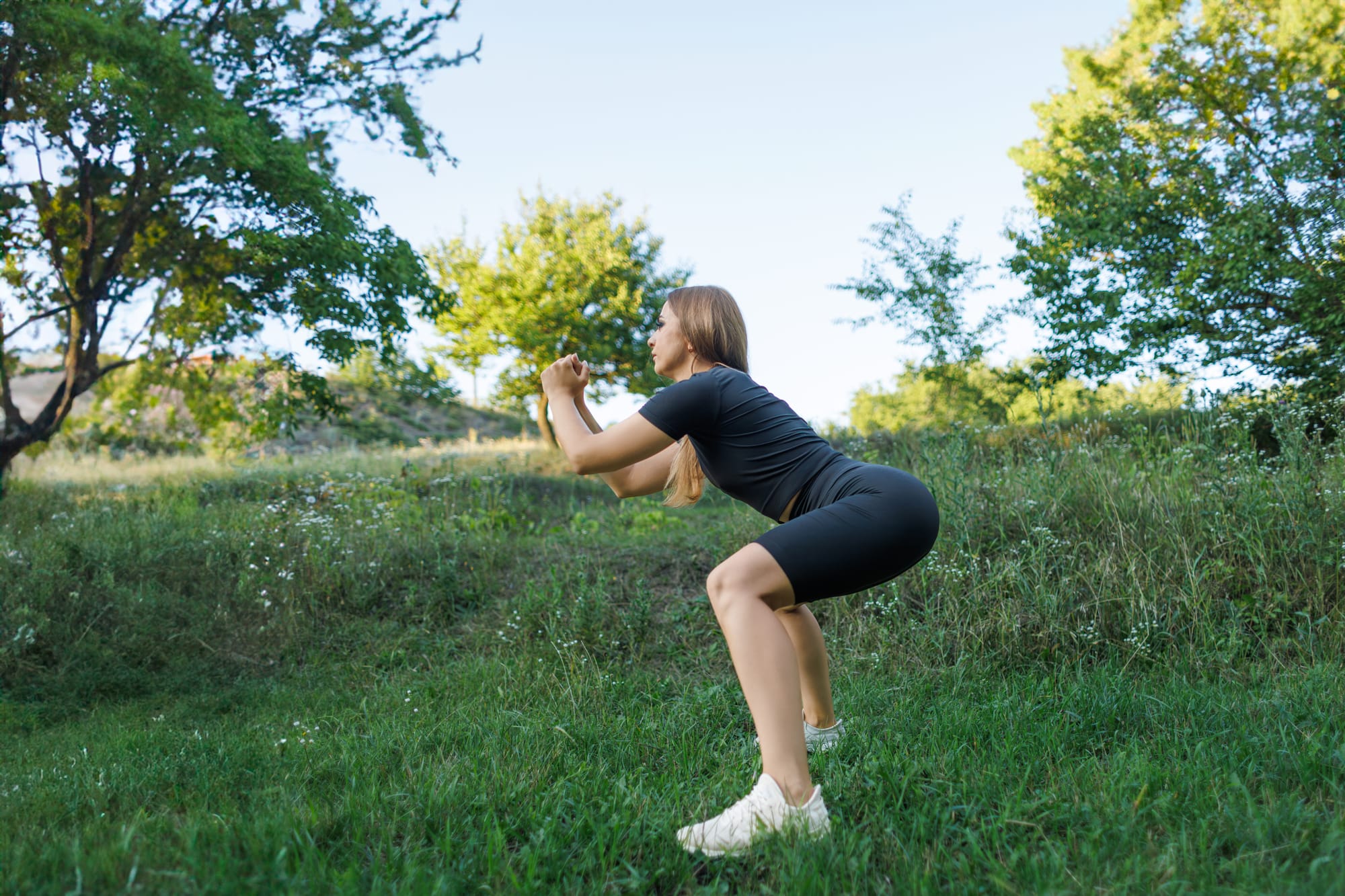
Why it Works: This exercise targets your quads, glutes, and hamstrings, and it’s essential for building lower-body strength for real-life activities.
2. The Push-Up (10 reps)
Push-ups are a classic exercise that targets the upper body and core. They train you to push and stabilize your entire body in a straight line.
How to Do It:
- Start in a high plank position with your hands directly under your shoulders and your body in a straight line.
- Lower your chest toward the floor, keeping your elbows close to your body.
- Push yourself back up, maintaining a straight line from head to heels.
Why it Works: Push-ups engage your chest, shoulders, arms, and core, helping you build upper-body strength for functional movements.
3. The Glute Bridge (20 reps)
The glute bridge works your posterior chain, especially the glutes and hamstrings, which are essential for lifting power and preventing back pain.
How to Do It:
- Lie on your back with your knees bent and feet flat on the floor, hip-width apart.
- Engage your core and squeeze your glutes to lift your hips toward the ceiling.
- Hold the position at the top for a second, creating a straight line from your shoulders to your knees.
- Lower your hips back down.
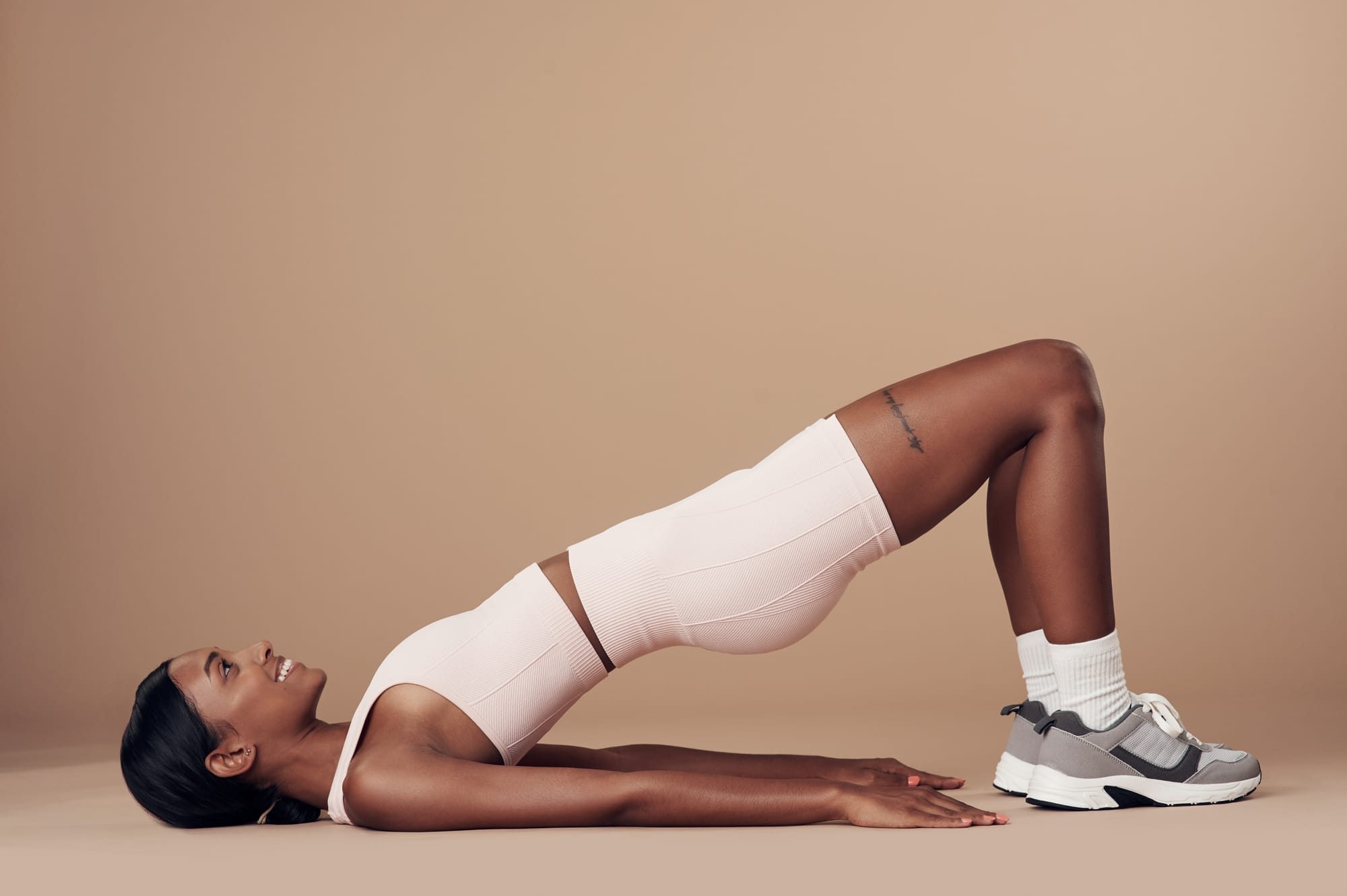
Why it Works: This movement strengthens your glutes and hamstrings, which are crucial for lifting, squatting, and maintaining good posture.
4. Plank with Shoulder Taps (20 total taps)
This exercise challenges your core stability and trains you to resist rotation, which is key for protecting your spine during dynamic movements.
How to Do It:
- Start in a high plank position.
- Without letting your hips rotate, lift your right hand and tap your left shoulder.
- Return your right hand to the floor, then lift your left hand to tap your right shoulder.
- Continue alternating in a slow, controlled manner.
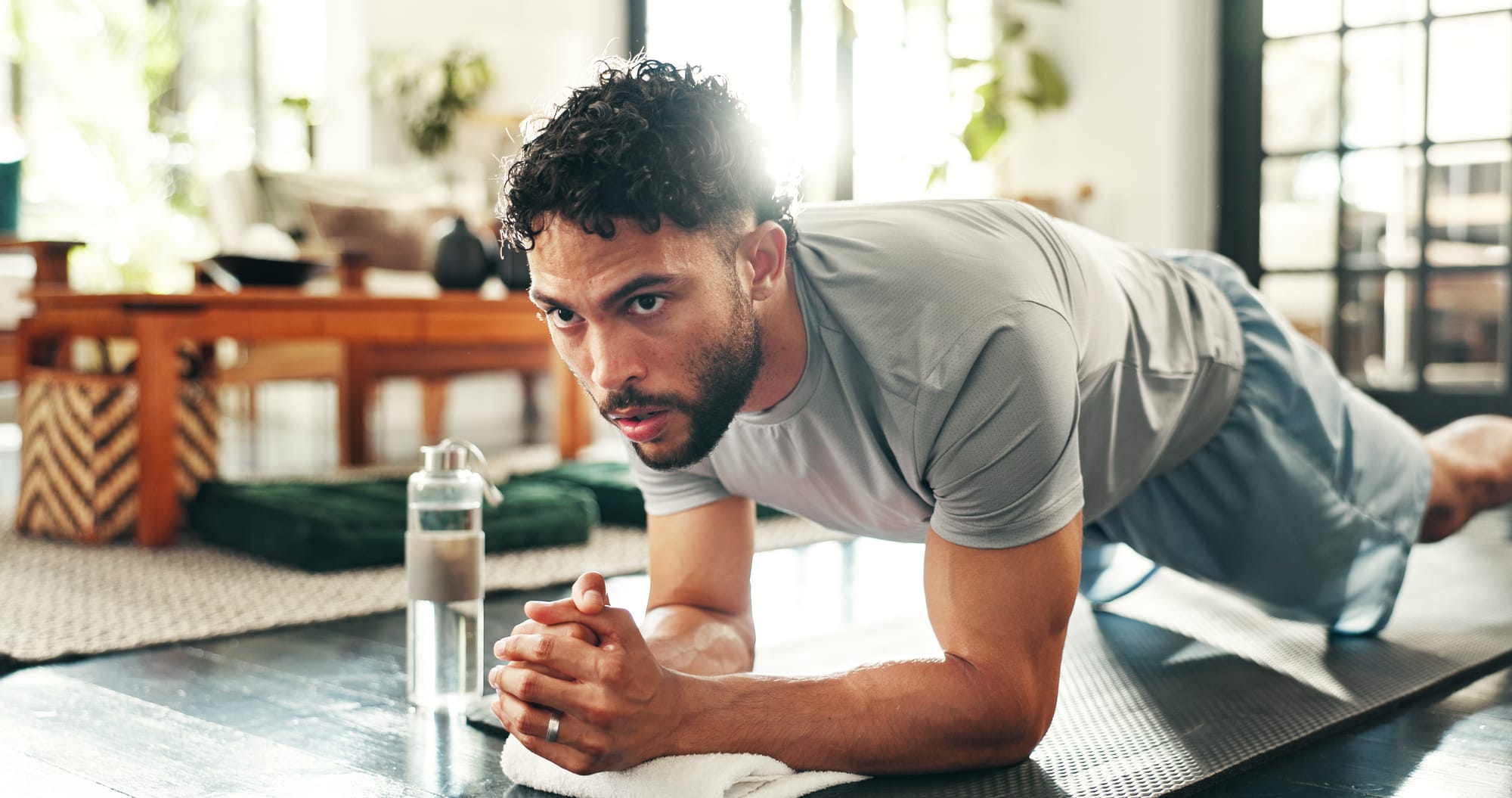
Why it Works: It strengthens your core, shoulders, and arms while improving overall stability.
5. Walking Lunges (10 reps per leg)
Lunges help build balance, stability, and functional leg strength. This dynamic movement strengthens the legs and works the glutes and quads.
How to Do It:
- Stand tall with your feet together.
- Step forward with your right foot and lower your body until both knees form a 90-degree angle.
- Push off the back foot to return to a standing position, then alternate legs.
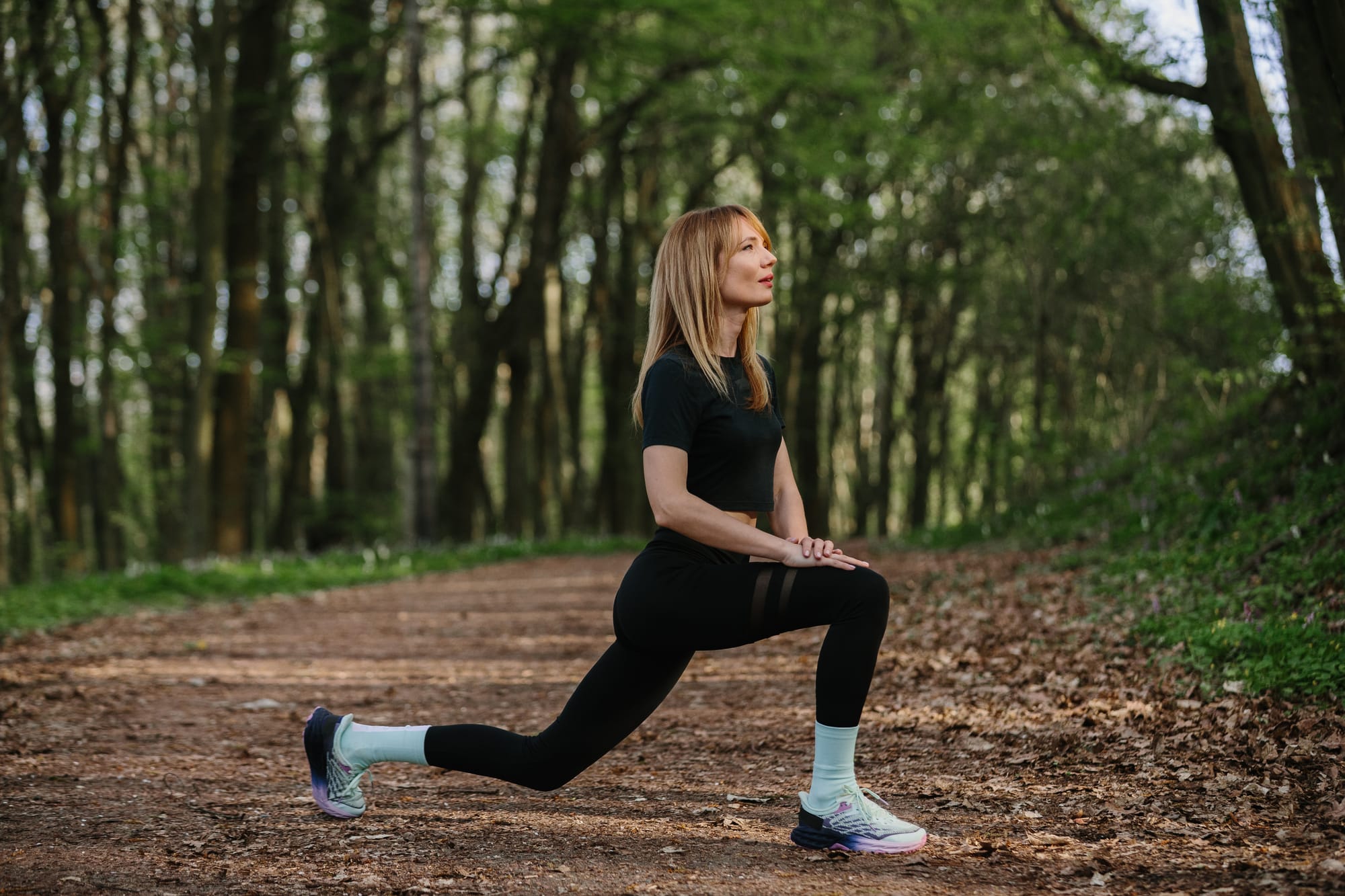
Why it Works: Walking lunges mimic the real-life actions of walking and lifting, making them a great functional movement for lower-body strength.
Consistency Over Intensity: Build Real-World Strength
The key to building functional strength isn’t about pushing yourself to the max in every workout. It’s about consistency. This workout should be done 2-3 times per week on non-consecutive days, with each round focusing on quality form and control.
As you practice these movements, you’ll notice that you’re not just getting stronger in the gym - everything in life starts to feel a little easier. From lifting heavy groceries to moving furniture, you’ll feel more confident and capable in every aspect of your day.
Ready to Get Stronger?
Functional strength is all about training your body for life’s demands. Whether you're looking to improve posture, strength, or flexibility, this simple bodyweight circuit can help you build a solid foundation of real-world strength.
So what are you waiting for? Start training for the things that matter most: your health, your life, and your strength. Let’s do this!
📩 Want More Workouts and Tips for Real-World Strength?
Sign up for our newsletter for the best tips, motivation, and workouts delivered right to your inbox. Let’s build a stronger, healthier you!