You Don’t Need More Motivation — You Need a Smaller First Step
If you keep waiting to feel motivated before you work out, you may be making fitness harder than it needs to be. Here’s why a smaller first step works better.

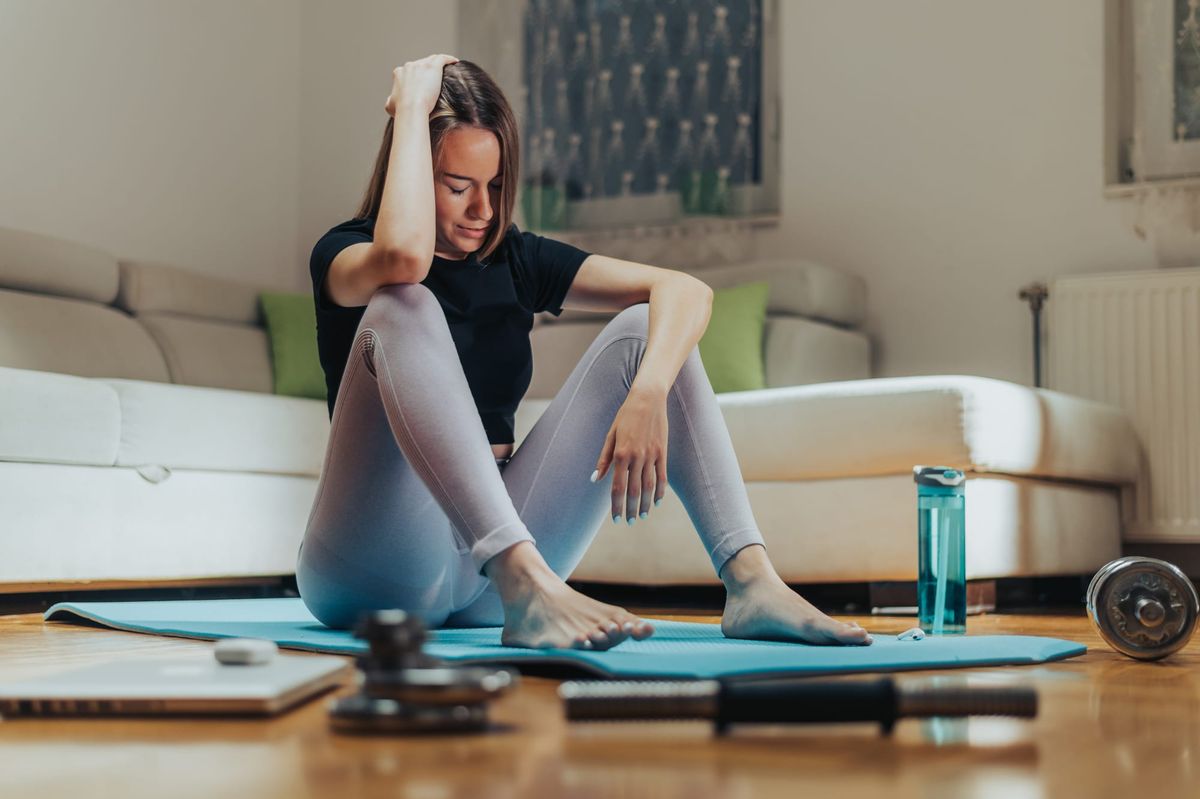
A lot of people think the reason they are not consistent with exercise is simple:
They are not motivated enough.
They think they need more discipline.
More energy.
A stronger mindset.
A better Monday.
But most of the time, that is not the real problem.
The real problem is that the first step feels too big.
When your brain thinks a workout means 45 minutes of effort, sweat, discomfort, and pressure, it will naturally look for reasons to delay it. Not because you are lazy, but because starting feels heavier than it should.
That is why motivation often feels unreliable.
It is hard to feel excited about something that already feels overwhelming before it even begins.
Motivation is not the best place to build a routine
Motivation can help you start.
But it is not a stable foundation.
Some days you wake up feeling focused and ready. Other days you feel tired, distracted, busy, or mentally checked out. If your entire routine depends on feeling inspired first, you will always be vulnerable to whatever kind of day you are having.
That is not a mindset problem.
That is a strategy problem.
The people who stay more consistent are not always the most motivated.
They are often the ones who make it easier to begin.
Why the first step matters so much
Starting is usually the hardest part.
Not the second minute.
Not the third set.
Not even the workout itself.
Just the beginning.
That is where most resistance lives.
And the bigger the starting point feels, the more resistance you create.
This is why telling yourself to “just be more disciplined” often does not work. It does nothing to reduce the weight of beginning.
A better question is this:
How can I make the first step feel so small that I stop arguing with it?
That question changes everything.
What a smaller first step looks like
A smaller first step does not mean lowering your standards forever.
It means lowering the barrier to entry.
That could mean:
- putting on workout clothes without promising a full workout
- doing 5 minutes instead of 30
- starting with stretching instead of strength training
- doing one round instead of three
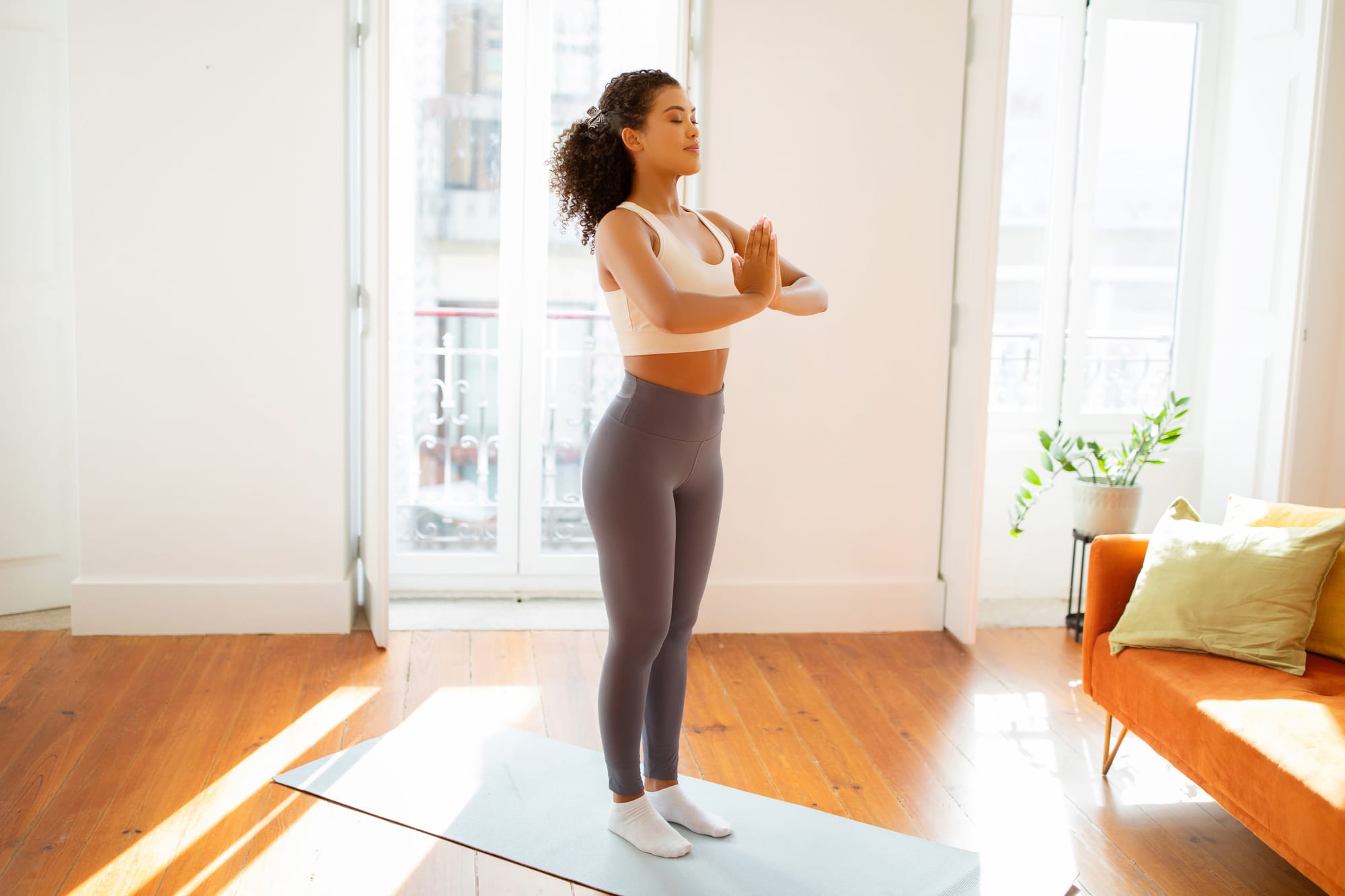
- standing on the mat and beginning there
These actions may seem too small to matter.
But they matter because they help you start.
And once you start, the workout often feels much more doable than it did in your head.
The mistake people make with fitness goals
A lot of people build routines around the version of themselves they hope to become.
The super motivated version.
The highly disciplined version.
The version with more time, more energy, and zero interruptions.
But real consistency is not built around your ideal self.
It is built around your actual life.
That means your routine should still work when:
- you slept badly
- work feels stressful
- your energy is low
- your day does not go as planned
- you do not feel excited
That is where smaller first steps become powerful.
They allow your routine to survive normal life.
Small starts build trust
Every time you make a workout feel achievable, you build trust with yourself.
You stop seeing fitness as something you only do when conditions are perfect.
You start proving that you can show up in a realistic way.
That trust matters more than people realize.
Because once you trust yourself to begin, fitness stops feeling like a constant negotiation.
It starts feeling like something that belongs in your life.
What this looks like in real life
Instead of saying:
“I need to do a full workout today.”
Try saying:
“I’m going to move for 5 minutes.”
Instead of saying:
“I have to get back on track this week.”
Try saying:
“I’m going to do one simple thing today.”
Instead of waiting to feel fully ready, give yourself permission to begin before you feel ready.
That is often the real breakthrough.
Not more intensity.
Not more pressure.
Just less friction.

Why this works better than forcing motivation
When the first step is smaller, your brain stops treating exercise like a huge event.
It becomes less dramatic.
Less mentally heavy.
Less intimidating.
And that is exactly what helps consistency grow.
Because routines usually do not fail from lack of information.
They fail from too much resistance.
A smaller first step reduces that resistance.
It helps action happen before excuses grow bigger.
Try this simple rule
The next time you do not feel like working out, do not ask:
“Am I motivated enough?”
Ask:
“What is the smallest version of this I can do right now?”
Maybe it is:
- 10 squats
- 5 minutes of stretching
- 1 round of a workout
- a short walk
- simply getting onto the mat
That small action counts.
More than that, it keeps the habit alive.
And keeping the habit alive is often more important than having a “perfect” workout.
Final thought
You do not need to become a more motivated person before fitness starts working for you.
You may just need a starting point that feels easier to say yes to.
A smaller first step does not make you weak.
It makes you consistent.
And consistency will always take you further than waiting for the perfect burst of motivation.
So the next time exercise feels hard to begin, make the starting line smaller.
That may be the mindset shift that finally helps everything click.
Enjoyed this post? Subscribe to Home Workout Nation for simple home workouts, realistic fitness tips, and motivation that fits real life.